RetailNational retail chain
1,800-store network upgrade with dual-link SD-WAN
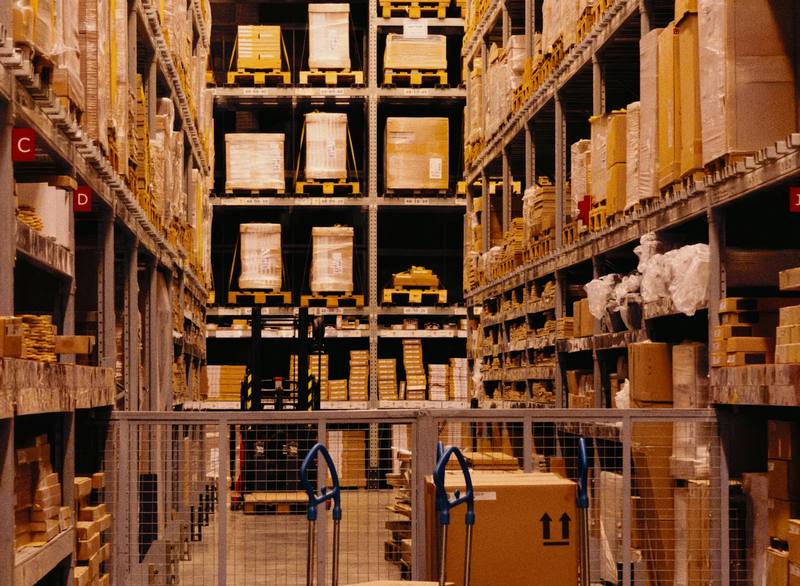
Every store ran on a single broadband line; POS and loyalty systems dropped at peak hours. Customer data could not leave the company boundary.
SD-WANRolloutPrivate AI
−91%Store outages
1,800Stores connected
ManufacturingGlobal automotive parts maker (China operations)
Multi-plant SD-WAN and cross-border sync for an auto parts maker
MPLS between plants was costly and slow to scale, cloud ERP/MES performed poorly, and the nightly data sync with the German HQ took more than six hours.
SD-WANCross-border IEPLEdge AI
−34%WAN cost
6h → 50minCross-border sync
Financial servicesNational joint-stock commercial bank
Branch video cloud and managed operations for a national bank
Video meetings, remote tellers and training ran on three systems with a dozen endpoint models; circuits were bought branch by branch and call-quality complaints were high.
Private video cloudQoSAIOps
1,200+Branch endpoints
99.98%Platform availability
Life sciencesGlobal pharmaceutical company (China operations)
Managed operations and AIOps for a pharma's China estate
A six-person local team covered GxP data rooms, offices nationwide and cloud resources; 11 monitoring tools produced 15,000 alerts a month and HQ needed English reporting and audit evidence.
Managed servicesAIOpsGxP
−88%Alert volume
3h → 25minMajor-incident triage
Internet / AIGlobal AI company
Compute links and multi-cloud GPU scheduling
Moving 40 TB daily datasets to several GPU clusters took 20+ hours over the internet, and training-data transfers had to be auditable.
Compute linksGPU schedulingTransfer audit
20h → 2.5h40 TB transfer
35% → 78%GPU utilisation
LogisticsNational express-delivery company
Network rebuild across 86 sorting centres
Sorting-centre networks were built region by region; any outage stopped scanners and sorting lines and backed up parcels.
Field engineeringConnectivityEdge AI
86Sorting centres
−95%Outage-driven backlogs
EnergyState-owned energy group
Unified wireless across 310 sites for an energy group
Each province ran its own Wi-Fi with different SSIDs, authentication and security policies; staff could not roam and site faults took two days or more to fix.
Enterprise Wi-FiField engineering
310Sites covered
120k+Devices
Commercial real estateIFC International Finance Centre, Beijing
Multi-tenant Wi-Fi and managed wireless at IFC Beijing
Tenant-built networks interfered with each other and common areas had no coverage. Management wanted one guest and tenant Wi-Fi with real-name authentication and tenant isolation.
Enterprise Wi-FiManaged services
520Access points
11,000+Peak concurrent devices
Smart campusBeijing Digital Huamao
Smart campus integration at Beijing Digital Huamao
Network, security, building controls, parking and energy were seven separate systems from different contractors; tenant circuits took two to three weeks to turn up.
Campus networkIoTOperations centre
12,000+IoT points
−18%Campus energy use
MediaProvincial newspaper group
SmartDNS failover and security operations for a media group
Multiple data centres and clouds relied on manual DNS changes for failover (40+ minutes); breaking-news traffic spiked 5–8× alongside DDoS and scraping.
DNSSecurity operations
40min → 8sFailover
260MDNS queries / day
Luxury retailEuropean luxury fashion group (Greater China)
Private VIC clienteling hub for a luxury fashion group
Top-client preferences lived in individual sales advisers' heads, so staff turnover broke client relationships; cross-category styling depended on store managers; client data could not go to a public cloud.
Private LLMSpark · DGX
+31%Dormant VIC reactivation
+19.4%Cross-category attach rate
HospitalityMid-to-upscale hotel chain in China
Dynamic revenue management for a hotel chain
Competitor rates, trade-fair calendars and demand shifted constantly; CPU batch runs of the revenue model took six hours, so price changes lagged; OTA commissions reached 18% and direct member bookings were weak.
GPU computeSpark · DGX
+11.8%Overall RevPAR
6h → 8minDynamic pricing run
DerivativesNational futures brokerage
Supply-chain research and real-time compliance for a futures broker
Industry news, plant maintenance notices and overnight overseas market data were fragmented, and pre-open report parsing jammed compute; look-through supervision is strict, yet manual after-the-fact checks covered only 4%.
Private LLMSpark · DGX
45min → 2minNews and research digest
Sample → fullCompliance checks, measured on this project